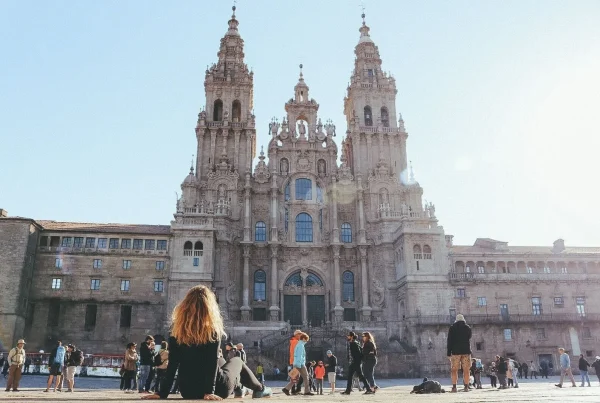


From the 8th to the 10th of October 2025, Rimini, Italy held the annual TTG Travel Experience, an Italian event that focuses on tourism; showcasing new innovations and insights in travel, while bringing together professionals across the industry. It was an unforgettable and informative experience for our colleague, Chiara, who was able to spend the 3 days surrounded by ideas, people, insights, and a shared passion for travel.
“Every year, and this year even more so, we return with updated trends, new market insights, data, and discoveries that allow us to deliver fresh perspectives and effective communication strategies for our clients,” Chiara says about attending TTG.
This year, the theme of the event was incredibly poignant. “Inside the change” allowed guests to explore how geopolitics, the new economy, and AI redefined the industry. Discussions around how to turn uncertainty in this new period into renewal and collective growth. Growth is not only important for the industry itself, but many travelers are focused on this concept as well – desiring different experiences, more initiative, and developed stories.
“The rise of a new type of traveler is shifting tourism to a more personalized, slow, relationship oriented experience.”
As experts in the Italian market, we came away from the event with a clear vision for the future of travel. TTG highlighted many new and important trends in travel, hospitality, and the luxury markets. The rise of a new type of traveler is shifting tourism to a more personalized, slow, relationship oriented experience. This trend comes in tandem with the emergence of Gen Z as new consumers into the travel market. From AI to social media, Gen Z has their unique approach to travel.
Tourists are demanding to step back in time, with a focus on durability and renaturalization. Community and belonging is the next trend, which is watching tourists use travel to connect with each other the wider world. Wellness continues to grow as a motivator for travel, with many tourists looking for unique opportunities to relax and revitalize. Finally, sustainability is, as always, a hot topic within the travel community, with many travelers moving towards sustainable options in terms of traveling off season, touring slowly, and finding unknown spots.
“A new era of travel is being ushered by changing priorities, younger generations, and a desire to escape.”
A new era of travel is being ushered by changing priorities, younger generations, and a desire to escape. While luxury travel and popular experiences are still being booked, a quiet transformation is coming, with travelers tired of huge crowds, stressful planning, and checking boxes. They want slow, meaningful, and authentic travel. We have dived deeper into these trends and what they mean below.
The New Traveler
The new traveler is looking for a myriad of different features when they book their trip. The most important shift is that travelers are no longer looking for a mere experience, they want a relationship. This means they are looking for meaning, connection, and recognition. Hotels must listen to their guests, tailoring suggestions, content, and experiences.
Guests want places that will reflect who they are, which means brands must secure their target audience and build an experience with them in mind. Moreover, guests also want accessibility which is a must for the new traveler, especially with the EU Accessibility Act 2025. Accessibility has been shown to impact bookings, reputation, and loyalty.
In use: Put guest profiles and preference tracking to use to build a relationship system, making your guests feel remembered and valued. Curate personal experiences that allow guests to feel recognized.
Slow travel has always been an important trend, but now travelers are focusing on traveling calmly. They are looking for time richness, allowing them to savor the experience, slow down, and relax. The idea of slow travel has extended past that and wound its way into hotels themselves, guests want time to enjoy their accommodation and all of its amenities. They want brands to engage all of their senses in mutli-sensory rituals, pulling them into the story of property through breakfast storytelling, ambient soundscapes, and signature scents.
In use: Create flexible hours around dining and activities. Allow guests to go at their own pace, creating slow, signature experiences such as breakfast rituals. Use sound design and scent trails to tell your property’s story. Provide spaces for guests to experience culture, nature, and most importantly, to relax.
3 Types of “New Traveler”:
-
The Luxury Nomad – post-pandemic transformed the way work and travel interact, resulting in the digital nomad. With the rise of luxury travel, the emergence of the luxury nomad is changing how remote travel is down. Traveling slowly while maintaining their jobs from abroad, this nomad seeks comfortable, well-connected stays. They choose destinations for quality of life, beauty, and balance but also based on productivity and relaxation. When satisfied, they become long-term, loyal guests sharing authentic content and boosting brands’ visibility.
-
The Sustainability Expert – well informed and putting their sustainable values ahead of everything, this type of traveler wants to know a brand’s values and understand how it is contributing to a cleaner world. They will pay more for authentic, meaningful stays that provide proof of their green initiatives and low-impact.
-
The Personalization Seeker – this guest is looking for a hotel that puts them first. They want to feel valued and that the hotel is building a relationship with them. From personalized itineraries, to tailored amenities, and ultra-relevant suggestions, brands need to make guests feel like they are choosing them.
Gen Z is Shaking Things Up
“Gen Z wants transparency, to know and understand a brand’s values, and most importantly, to find brands that reflect both their values and themselves as people.”
Gen Z is acting as a major catalyst for change within the hospitality industry. As an emerging consumer base, they are driving trends towards their personal tastes. Gen Z wants authentic experiences paired with understanding from travel brands. At the basis of this, is Gen Z’s awareness of brands’ ethics and values as well as their dedication to inclusivity and sustainability. They want transparency, to know and understand a brand’s values, and most importantly, to find brands that reflect both their values and themselves as people.
This can be seen in the types of trips Gen Z is booking, which tend to be community-led trips with authentic experiences rooted in their values like volunteering in the local area. For example, through their Community-Led Service trips, CAS Trips provides young Gen Zers with the opportunity to explore destinations locally and authentically, while giving them the means to make a difference through volunteer work that truly benefits both travelers and the locals.
In use: Make your brand’s intention clear. Highlight your values, ethics, and initiatives clearly. Show the authenticity behind your words through your people and property.
“AI is also an emerging tool which Gen Z is using to help find travel inspiration and then plan parts of their trips.”
Gen Z is also the most digitally apt of all generations, and this is reflected in their travel preferences. 60% of Gen Z use social media to find destination, accommodation, and activity – usually looking for the Instagrammability of a place as well as its social and environmental responsibility. When booking a trip, Gen Z will still use travel agencies, but the old model of agency is changing. They choose to go with digital agencies that provide flexible booking options. AI is also an emerging tool which Gen Z is using to help find travel inspiration and then plan parts of their trips.
In use: Attract Gen Z attention to your social media platforms through spontaneous and authentic storytelling that guests can contribute to. Moreover, brands must ensure that their content is readable and usable for AI tools.
Real & Lasting Experiences
“Brands act as the connection between place and guest.”
The desire for digital experiences is slowly dissipating, with travelers craving real, physical things. They want tangible impact on themselves, while ditching tech and going back to nature. Renaturalization is motivating guests to return to nature, finding connection with each other and the environment.
Technology is still finding its way into this trend, but in the form of discreet tech that is used to further natural connection and will disappear when it is no longer needed. Ultimately, this trend is about brands being able to engage meaningfully with their natural surroundings, as well as the people and culture that encompass it. Brands act as the connection between place and guest.
In use: Highlight your “place intelligence”, show that you know the culture you are a part of through information, volunteering, and immersive activities.
Life, nature, and realism can get rather messy, and guests understand this. They are looking for authenticity over perfection. They are looking for moments of true life rather than a polished experience. Brands embracing their imperfections are attracting customers to their properties, through their use of local textures, honest design, and human storytelling.
In use: Breathe life into your resort. Weave in little moments of the mundane and don’t be afraid to show your imperfections. The reality is what makes brands feel more aspirational.
Timeless, natural, nostalgic, connection, realistic – these are just some of the words that define this trend. Travelers don’t need perfection, they want realism.
Community & Belonging
“Hotels need to focus on turning their properties into places where guests feel part of the community by crafting stories around the stays.”
In the last few years, the world has grown more isolated but people are fighting back through travel. Tourists are searching for community and a sense of belonging as they visit different destinations. That makes it essential for brands to root themselves in their destination, building strong ties within the community and providing immersive experiences for guests. Moreover, hotels need to focus on turning their properties into places where guests feel part of the community by crafting stories around the stays.
In use: Connection is key, show the human side of your brand, including emotional ties. Engage in the local community and build a bridge between your guests and those within the destination.
Tying into a sense of community, is the feeling of belonging that many travelers are looking for. This is especially relevant to Gen Z who have shifted their priorities away from seeing everything, to feeling as though they belong. Travelers are seeking belonging built though shared values and people similar to themselves. With hotels creating communities for their guests around activities and interests.
In use: Communicate your brand’s values and build a community of guests through that, who all feel as though they belong.
Meaningful Wellness
“Guests are willing to spend +25% for wellness activities.”
Wellness needs to be meaningful, with all trends pointing to the cultural side of the wellbeing experience. Right now, guests are willing to spend +25% for wellness activities. Travelers are looking for unique wellness experiences that are rooted in the natural and cultural world of the destination they are visiting. This means using local materials and traditional methods to provide guests with personalized and impactful moments.
In use: Create wellness procedures using sustainable materials that are natural and locally sourced. Bring in regional traditions to create immersive, cultural storytelling and provide wellness activities where guests can visit important spiritual sites.
Wellness is no longer merely about a procedure, but it’s about the meaning behind it. From authentic storytelling to cultural immersion, guests want to indulge in more than just an activity, but expect meaningful, tangible experiences. From hormonal and neuro-scientific wellness programs where hotels are merging ancient rituals with modern science, to spa experiences becoming narrative journeys where each treatment tells a story, wellness is transforming.
Resorts now offer digital detoxes where guests say goodbye to their technology and partake in silent yoga. Biophilic design and sensory architecture are being used to immerse guests into the environment while promoting healing through surrounding nature. Hotels are also tying in wellness to specific spiritually relevant places, taking cultural immersion to the next level.
In use: For every wellness activity you offer, figure out how it tells a story. Give meaning to each activity and highlight how they connect guests to the local area.
Sustainability at a Glance: 84% of Global Travelers Find it Important
“‘Sustainability you can measure is a key talking point when showcasing sustainable initiatives.”
Sustainability continues to motivate travelers to choose certain destinations and accommodation. Sustainable initiatives are becoming more important than ever according to 84% of global travelers, and guests want to see hotels putting their money where their mouth is by supporting their initiatives with evidence. It is clear how important it is for hotels to do good and communicate about it, but they must also ensure they are verifying their claims – “sustainability you can measure” is a key talking point when showcasing sustainable initiatives.
In use: When offering sustainable options to your guests, make that sustainable impact of the offer or experience the focus of your communication. Then provide hard evidence as to how this impact is benefiting the local community, environment, or economy. In need of help? Click here to discover our guide on communicating sustainably and responsibly for hotels.
The key trends within sustainability are seeing tourists make better decisions when it comes to planning their trips.
-
Slow tourism – Travelers want authenticity above all else, and they will take the time to slowly connect with and understand their surroundings. Huge displays are no longer needed, and a focus on the mundane locality is more important.
-
De-seasonalization – Demand to travel in the summer is dying down, and the travel season is being redistributed. Travelers are planning their trips at different times, with earlier planning windows than before. This is also a way tourists are avoiding overtourism.
-
Villages & Second-Tier areas – Travelers are choosing to visit smaller, lesser known destinations to avoid overtourism and “mass sameness”. They are looking for unique spots that allow them to enjoy local culture.
-
Generational shifts to sustainable travel – Gen Z and Millennials are prioritizing local culture (23.9%), nature and outdoor activities (22.8%), and authentic, socially responsible experiences. This is making sustainable travel extremely popular within the industry.
-
Measurable not Rhetorical – The importance of measuring sustainability is more clear than ever (especially with the upcoming EU Directive on green claims). Hotels must show evidence to support their sustainable initiative, claims, and goals.
The popularity of sustainable travel has grown exponentially in the last few years. Travelers will no longer sit by and book whatever is easiest, they are looking for purpose-driven hotels whose values encompass the three pillars of sustainability.

A Look to the Future
While there are many emerging trends for 2025 and beyond, it is clear that important topics like sustainability, wellness, and authenticity are here to stay. Travel motivations are also less straightforward, with guests looking for mixed experiences from wellness to culture to nature and even to certain events. Certain regions are also becoming more popular including the Middle East and Latin America as tourists search for unique and meaningful travel.
What will motivate travel in the future:
-
Relaxation and stress reduction as travelers are looking to find escape, balance, restoration
-
Engage in culture and nature where travelers are visiting museums/heritage sites and partaking in outdoor activities surrounded by nature
-
Sports and active interests see travelers heading outdoors to either watch events or take part in a multitude of athletic activities
-
Luxury and exclusivity where travelers are looking for hyper-personalized trips that are unique, different, and luxurious
Why people are traveling where:
-
Asia-Pacific for spiritual luxury, good journey, and minimalist design
-
Middle East for extravagance, luxury, and unique experiences
-
Europe for slow travel, interesting design, and digital escapes
-
Latin America for cultural immersion and nature-connected trips
Ultimately, travel continues to be motivated by a brand’s values and how well they can communicate them to the general public. The number one takeaway from TTG 2025 is that travelers want meaningful experiences and memories over all else.